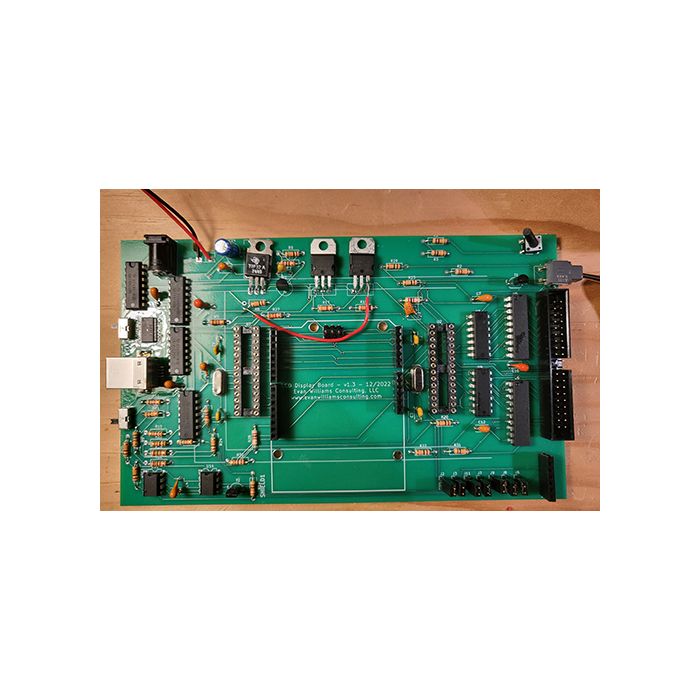
LCD Display Board (Assembled)
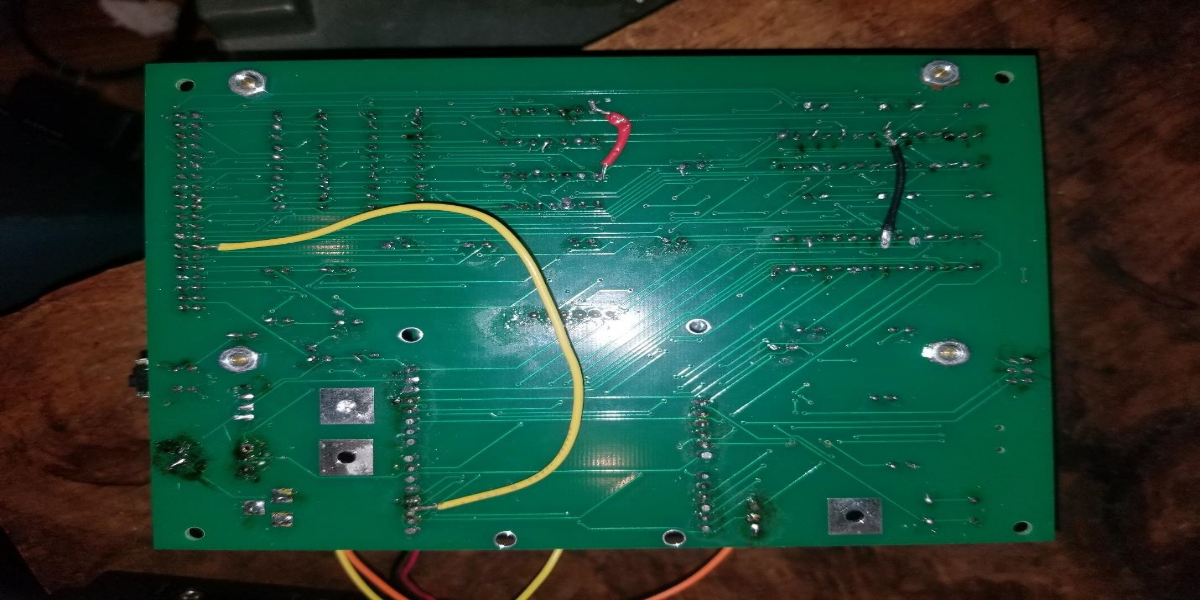
Evan Williams' Consulting's LCD Dispaly Board is a great device for hobbyists and other electronic enthusiasts! LCD Display Board Dual-MCU Controller Board.
$99.00
See Product
Evan Williams' Consulting's LCD Dispaly Board is a great device for hobbyists and other electronic enthusiasts! LCD Display Board Dual-MCU Controller Board.
$99.00
See Product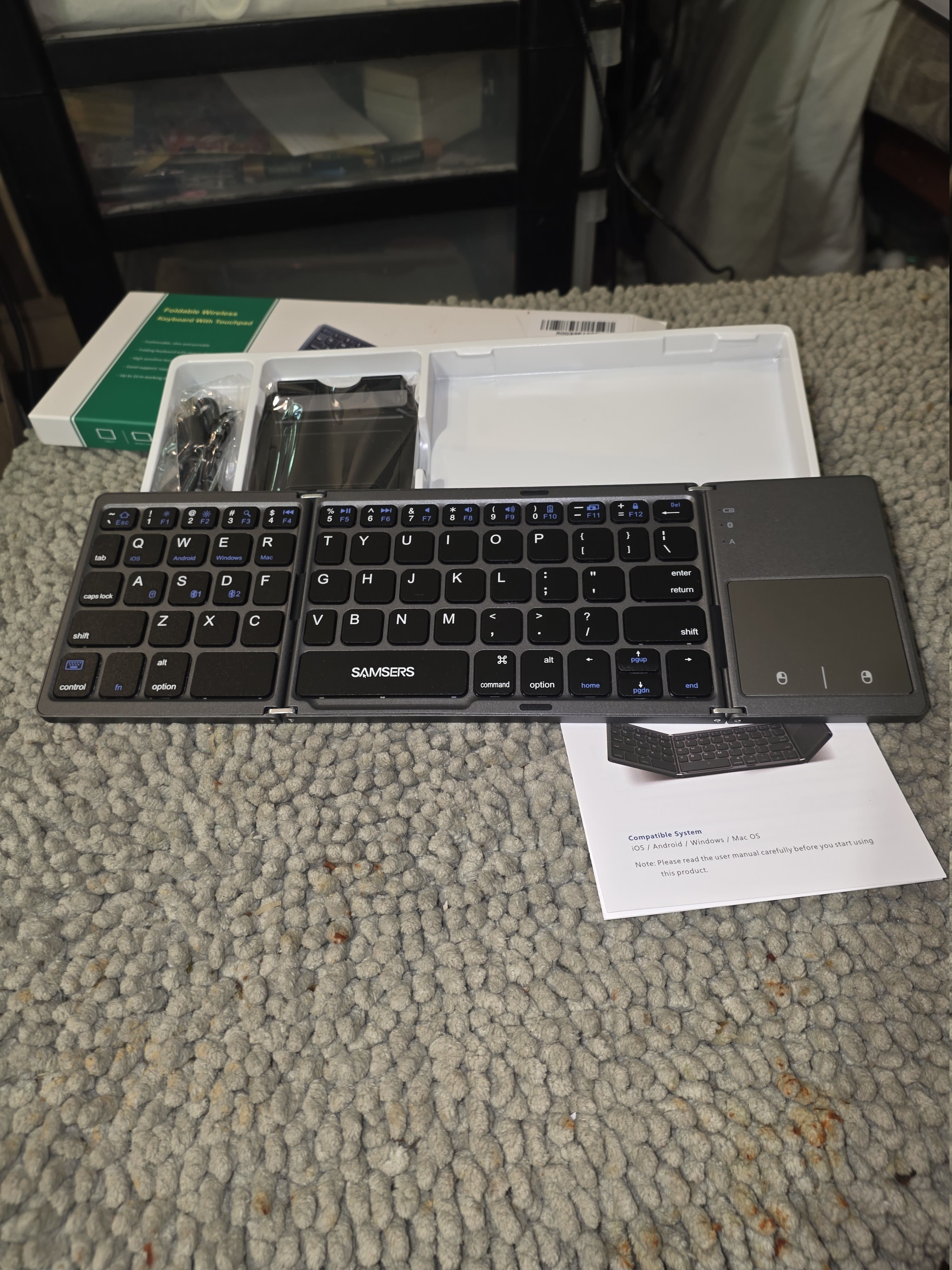
A compact, foldable wireless keyboard with integrated touchpad designed for portability and efficiency. Seamlessly connect to multiple devices via Bluetooth, enjoy responsive typing, and navigate without a mouse. Ideal for travel, remote work, and on-the-
$55.00
See Product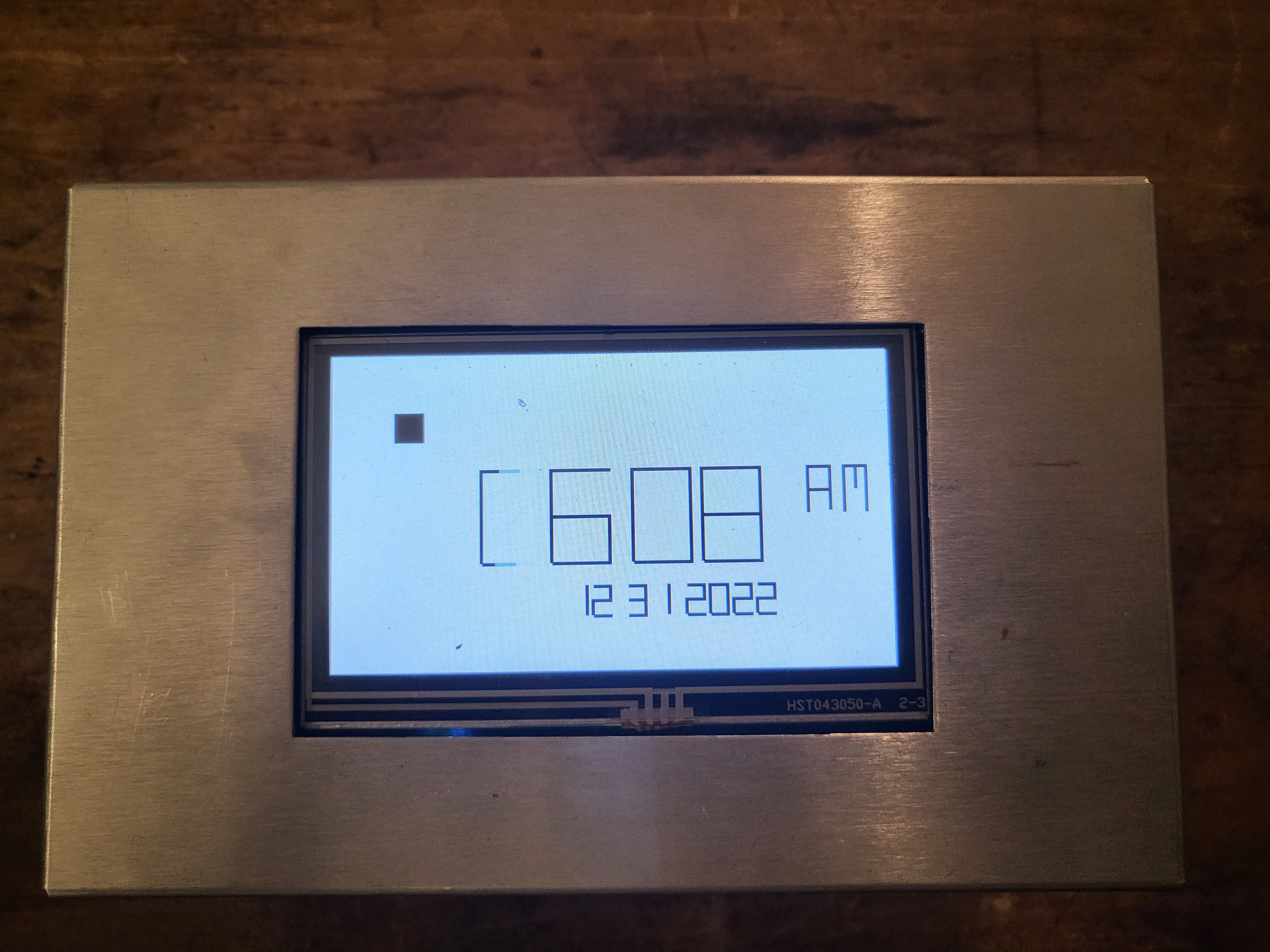
A sleek, wall-mounted smart control panel with an integrated LCD display for managing home or room settings. Designed for modern spaces, it enables intuitive control of climate, lighting, and automation systems through a clean, minimal interface and respo
$98.00
See ProductThere are so many ways to "take a walk" on a computer. That is to say, there are so many points and clicks you have to make to get the simplest things done. Even opening a file requires a lot of steps. What is funny is that we are celebrating this behavior here! These words have been here for a long time.
I call this process "taking a walk" as if you were on a path through a garden or a forest. How might you decide what road to take or which way to go?
In the same way, the user interface of a website or application has to have so many friendly features if it is going to be easy to use. It has to mediate between the screen or website and the user at the controls of the computer just like what you saw on the screen was part of the "real world" that you saw on your walk. It's nice when systems are easy to use, as if the computer or user interface (UI) design had reached into the mentality of the operator (see Behat program) and provide helpful links or buttons and so forth in anticipation.
Opcodes, or operational codes, are an essential part of computer systems. But did you know that you can create your own intermediate opcodes?
Inside a computer processor, these operational codes or opcodes are the instructions that tell a computer how to run a program. The microprocessor internally runs assembly language or machine code programs that are comprised of these opcodes. These instructions tell the computer chip to do some arithmetic or move values in or out of memory or registers.
The operation of opcodes is not unlike that game 'paint-by-numbers' that one sometimes finds in childrens books. Suppose one of the rules of 'paint-by-numbers' is to paint green wherever the number '3' appears. When you see the number '3' you have to paint the area with green paint. Opcodes are themselves numbers, but when the computer processor reads one of them, such as '36' that might mean 'Load Accumulator' it immediately loads an internal accumulator register with a value, from memory, from another register or from the result of an arithmetic operation.
What is 'Computer Language?' It is the instructions that make a computer operate. A computer is just a machine; the conputer instructions tell it when to add, subtract or write a number down. It would be as if you were using a marionette puppet to operate a calculator: or am I going too far here?!
outline1